
Why Euro 5 Fuel Standards Matter for Global Sustainability and Emission Control
As global industries face increasing pressure to reduce environmental impact and comply with stricter emission regulations, fuel quality has become a critical factor in achieving sustainability goals. Among international benchmarks, the Euro 5 fuel standard stands as a pivotal milestone in controlling emissions, improving air quality, and supporting cleaner global energy systems.
This article explores why Euro 5 standards matter, how they influence global sustainability, and their growing relevance in modern energy trading and investment strategies.
Understanding Euro 5 Fuel Standards
Euro 5 is part of the European emission standards introduced to limit pollutants from vehicles and fuel usage. While commonly associated with vehicle emissions, Euro 5 also establishes stringent fuel quality requirements, particularly for diesel and gas oil products.
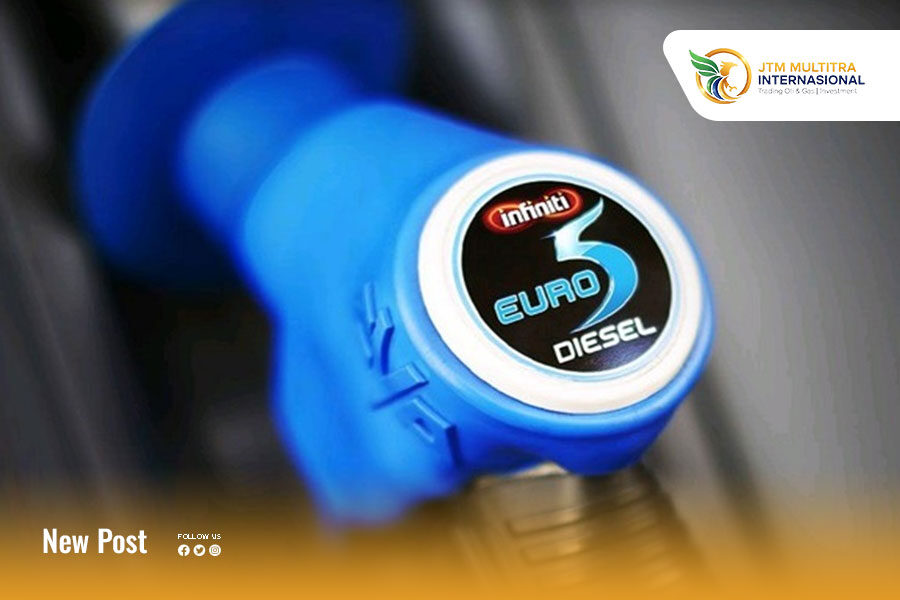
One of the most critical specifications under Euro 5 is ultra-low sulphur content, capped at 10 parts per million (PPM). This requirement significantly reduces harmful emissions and enables the effective operation of modern engine and exhaust after-treatment technologies.
The Environmental Impact of Sulphur Reduction
Sulphur in fuel contributes directly to air pollution by generating sulphur dioxide (SO₂) during combustion. High sulphur levels are associated with:
-
Acid rain formation
-
Respiratory health issues
-
Environmental degradation
-
Premature wear of vehicle emission control systems
By reducing sulphur content to ultra-low levels, Euro 5 fuels dramatically lower the release of sulphur-based pollutants, contributing to cleaner air and healthier ecosystems.
Enabling Advanced Emission Control Technologies
Modern diesel engines rely on advanced emission control systems such as:
-
Diesel Particulate Filters (DPF)
-
Selective Catalytic Reduction (SCR) systems
These technologies require ultra-low sulphur fuel to function efficiently. Euro 5 standards ensure fuel compatibility with these systems, allowing vehicles and industrial equipment to achieve optimal performance while maintaining compliance with emission regulations.
Without Euro 5–compliant fuel, such technologies can become ineffective or damaged, leading to higher emissions and increased maintenance costs.
Euro 5 and Global Sustainability Objectives
Supporting Climate and Air Quality Goals
Although Euro 5 does not directly regulate carbon dioxide (CO₂) emissions, it plays a crucial role in reducing pollutants that affect air quality and public health. Cleaner combustion and reduced particulate emissions align with broader sustainability initiatives promoted by governments and international organizations.
For emerging economies transitioning toward cleaner energy systems, Euro 5 fuel adoption represents a practical step toward environmental responsibility without disrupting existing infrastructure.
Facilitating Energy Transition
Euro 5 fuels serve as a bridge solution in the global energy transition. While renewable energy adoption continues to grow, global transportation, logistics, and industrial sectors remain heavily dependent on liquid fuels.
By improving fuel quality and reducing emissions, Euro 5 standards allow these sectors to operate more sustainably during the transition period toward lower-carbon alternatives.
Economic and Operational Benefits of Euro 5 Fuels
Beyond environmental considerations, Euro 5 fuels offer tangible economic advantages:
-
Improved engine efficiency
-
Reduced maintenance and equipment downtime
-
Longer engine lifespan
-
Lower total cost of ownership
For fleet operators, logistics providers, and industrial users, these benefits translate into operational efficiency and long-term cost savings.
The Role of Euro 5 in International Energy Trading
In global energy markets, fuel quality standards are closely tied to regulatory compliance, market access, and trade credibility. Euro 5–compliant fuels, such as EN590 10PPM Gas Oil, are widely accepted across international jurisdictions.
Compliance with Euro 5 standards:
-
Expands access to regulated markets
-
Reduces regulatory risk
-
Enhances buyer confidence
-
Supports transparent and compliant trade transactions
Independent verification by inspection agencies such as SGS or Saybolt further strengthens trust and accountability in international fuel trading.
ESG Considerations and Responsible Energy Management
Environmental, Social, and Governance (ESG) frameworks increasingly influence investment and procurement decisions. Fuel products that meet Euro 5 standards demonstrate:
-
Environmental responsibility through emission reduction
-
Social commitment to public health and air quality
-
Governance discipline via compliance and quality control
As a result, Euro 5 fuels align more closely with ESG-oriented investment strategies compared to higher-sulphur alternatives.
Euro 5 Adoption Beyond Europe
Although originally developed in Europe, Euro 5 standards have gained global relevance. Many countries across Asia, the Middle East, and Africa are adopting or referencing Euro 5 specifications to modernize fuel quality and meet international benchmarks.
This global adoption reinforces Euro 5 as a de facto international standard for clean diesel fuel in cross-border trade.
Conclusion: A Critical Standard for a Cleaner Global Future
Euro 5 fuel standards represent more than regulatory compliance—they embody a commitment to cleaner air, operational efficiency, and responsible energy use. By significantly reducing sulphur content and enabling modern emission control technologies, Euro 5 fuels play a vital role in advancing global sustainability and emission control efforts.
As the world navigates the complexities of energy transition, Euro 5–compliant fuels remain an essential component of a cleaner, more sustainable global energy ecosystem.