
EN590 10PPM Explained: Global Standard for Ultra-Low Sulphur Diesel Trading
As global regulations on fuel quality and emissions continue to tighten, EN590 10PPM has emerged as the benchmark standard for ultra-low sulphur diesel in international markets. Widely adopted across Europe and increasingly referenced worldwide, EN590 10PPM plays a critical role in supporting cleaner combustion, regulatory compliance, and transparent global fuel trading.
This article explains what EN590 10PPM is, why it matters in international diesel trading, and how it supports sustainability, performance, and compliance across global supply chains.
What Is EN590 10PPM?
EN590 is a European fuel specification that defines the quality requirements for automotive diesel fuel. The 10PPM designation refers to the maximum sulphur content—10 parts per million—classifying the fuel as Ultra-Low Sulphur Diesel (ULSD).
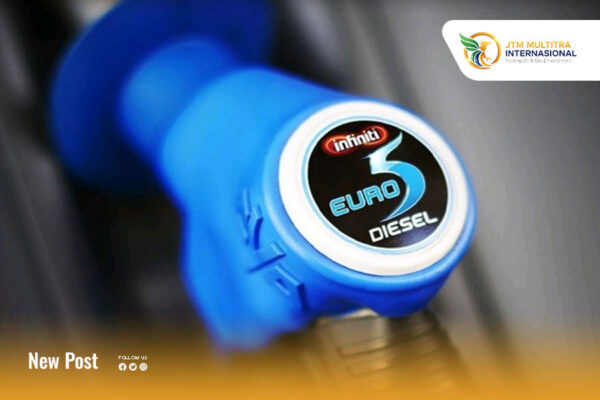
This ultra-low sulphur threshold is essential for reducing harmful emissions and enabling modern diesel engine technologies. EN590 10PPM is often associated with Euro 5 and Euro 6 emission standards, making it the preferred specification for regulated international markets.
Why Sulphur Content Matters
Sulphur is one of the primary contributors to air pollution in diesel combustion. High sulphur levels result in:
-
Increased sulphur dioxide (SO₂) emissions
-
Higher particulate matter (PM) output
-
Degradation of emission control systems
-
Negative health and environmental impacts
By limiting sulphur content to 10PPM, EN590 significantly reduces these effects, supporting cleaner air and improved environmental outcomes.
EN590 10PPM and Modern Engine Compatibility
Modern diesel engines rely on advanced emission-control technologies, including:
-
Diesel Particulate Filters (DPF)
-
Selective Catalytic Reduction (SCR) systems
These systems require ultra-low sulphur fuel to operate efficiently. EN590 10PPM ensures:
-
Optimal engine performance
-
Lower maintenance requirements
-
Extended equipment lifespan
Without compliant fuel, emission systems can fail or underperform, leading to regulatory violations and increased operating costs.
Key Technical Parameters of EN590 10PPM
Beyond sulphur limits, EN590 defines a comprehensive range of quality parameters to ensure performance and safety.
| Parameter | Specification |
|---|---|
| Sulphur Content | Max 10 mg/kg |
| Cetane Index | Minimum 46 |
| Density @ 15°C | 815–845 kg/m³ |
| Flash Point | Above 55°C |
| Copper Strip Corrosion | Class 1 |
These specifications provide consistency, reliability, and confidence in international diesel supply chains.
EN590 10PPM in Global Diesel Trading
A Widely Accepted International Benchmark
EN590 10PPM is recognized beyond Europe as a global reference standard. Many countries across Asia, the Middle East, and Africa specify EN590 or equivalent ULSD requirements in fuel tenders and import regulations.
For international traders, EN590 compliance:
-
Expands access to regulated markets
-
Reduces customs and regulatory risks
-
Enhances buyer confidence
-
Simplifies cross-border transactions
Supporting Transparent and Compliant Trade
In large-scale diesel trading, quality assurance is essential. EN590 10PPM shipments are typically verified through independent inspection agencies such as SGS or Saybolt.
These inspections confirm:
-
Product specification compliance
-
Quantity and quality at loading and discharge
-
Alignment with contractual terms
Independent verification ensures transparency and protects all parties involved in the transaction.
Environmental and Sustainability Benefits
While diesel remains a critical energy source for global transportation and industry, EN590 10PPM significantly reduces its environmental footprint compared to higher-sulphur alternatives.
Benefits include:
-
Lower particulate and sulphur emissions
-
Improved urban air quality
-
Reduced environmental damage
-
Alignment with sustainability and ESG objectives
As a result, EN590 10PPM is often viewed as a transitional solution supporting cleaner energy use during the global shift toward lower-carbon systems.
EN590 10PPM and ESG Considerations
Environmental, Social, and Governance (ESG) criteria increasingly influence procurement and investment decisions. Diesel products meeting EN590 standards demonstrate:
-
Environmental responsibility through emission reduction
-
Social commitment to public health and safety
-
Governance discipline via compliance and traceability
These factors enhance the credibility of EN590 10PPM within responsible energy trading frameworks.
Why EN590 10PPM Remains Critical in a Changing Energy Landscape
Despite the growth of renewable energy, diesel continues to power:
-
Global logistics and shipping
-
Heavy transportation and construction
-
Industrial operations and backup power systems
EN590 10PPM ensures that these essential activities can continue with reduced environmental impact and regulatory risk, reinforcing its role as a cornerstone of modern fuel trading.
Conclusion: A Global Standard for Clean and Reliable Diesel Trade
EN590 10PPM is more than a technical specification—it is a globally recognized standard that supports cleaner combustion, regulatory compliance, and transparent international trade. By combining ultra-low sulphur content with strict quality parameters, EN590 enables efficient, sustainable, and reliable diesel supply across global markets.
For organizations engaged in large-scale diesel trading, EN590 10PPM remains the definitive benchmark for quality, performance, and compliance.