
Hard Commodities as Safe-Haven Assets: A Global Investment Perspective
In an era defined by economic uncertainty, geopolitical tensions, and market volatility, investors are increasingly seeking assets that offer stability, intrinsic value, and long-term resilience. Among these, hard commodities—particularly energy resources such as oil, gas, and refined fuels—have re-emerged as critical safe-haven assets within diversified global investment portfolios.
This article explores why hard commodities continue to play a strategic role in preserving value, mitigating risk, and supporting sustainable investment strategies across international markets.
Understanding Hard Commodities in Global Markets
Hard commodities are tangible natural resources extracted from the earth, including oil, natural gas, metals, and energy derivatives. Unlike financial instruments or soft commodities, their value is rooted in physical scarcity, industrial necessity, and global demand cycles.
Energy commodities, in particular, remain foundational to:
-
Industrial production
-
Transportation and logistics
-
Power generation
-
National economic stability
As long as global economies depend on energy consumption, hard commodities will retain structural relevance in investment planning.
Why Hard Commodities Are Considered Safe-Haven Assets
1. Intrinsic and Tangible Value
Hard commodities possess inherent physical value. Unlike equities or fiat currencies, they are not dependent on corporate performance or monetary policy alone. Their worth is tied to real-world utility and finite supply, making them resilient during periods of financial stress.
Oil and gas, for example, cannot be digitally replicated or devalued by inflationary monetary expansion. This intrinsic nature positions them as natural hedges against systemic risk.
2. Protection Against Inflation and Currency Volatility
Inflation erodes purchasing power and weakens currency-based assets. Historically, hard commodities tend to appreciate during inflationary cycles, as production costs, transportation, and demand increase in parallel.
Energy commodities are typically priced in US dollars, yet their physical demand transcends currency fluctuations. This characteristic allows investors to preserve value even when foreign exchange markets become unstable.
3. Geopolitical Risk Hedge
Geopolitical disruptions—such as conflicts, sanctions, supply chain bottlenecks, or trade restrictions—often have an immediate impact on commodity prices. While such events may destabilize traditional markets, they frequently strengthen the strategic value of hard commodities.
Supply constraints or regional instability can drive demand for secure, compliant, and well-managed energy assets, reinforcing their role as defensive investment instruments.
Energy Commodities as Strategic Investment Assets
Oil and Refined Fuels
Crude oil and refined products such as EN590 10PPM Gas Oil and Jet Fuel A1 remain central to global trade and logistics. Despite energy transition narratives, global demand for refined fuels continues to grow, particularly in emerging markets and industrial economies.
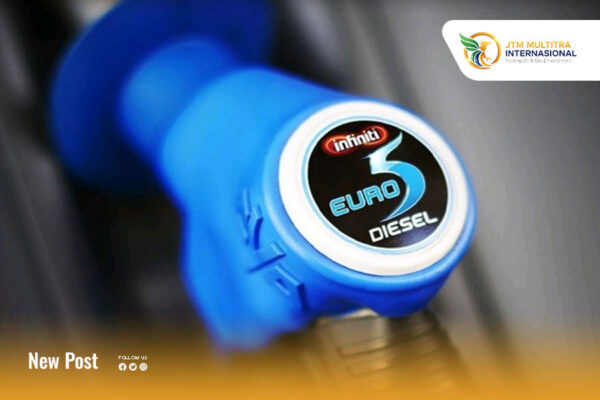
Refined products meeting modern emission standards, such as Euro 5, also align with environmental regulations, increasing their attractiveness to compliant investors.
Natural Gas and LNG
Liquefied Natural Gas (LNG) has gained prominence as a transitional energy source. Its relatively lower emissions compared to coal and oil position it as a bridge between conventional energy and renewable systems.
For investors, LNG offers:
-
Long-term supply contracts
-
Stable demand from power generation and industrial users
-
Strategic relevance in energy security planning
Portfolio Diversification and Risk Mitigation
A core principle of modern investment management is diversification. Hard commodities provide low correlation with traditional asset classes such as equities and bonds, enhancing portfolio resilience.
By incorporating energy commodities, investors can:
-
Reduce exposure to market downturns
-
Balance cyclical risks
-
Stabilize returns during economic contractions
This diversification benefit becomes particularly valuable during periods of global financial uncertainty.
The Role of Compliance and Transparency in Commodity Investments
Not all commodity investments offer equal protection. The effectiveness of hard commodities as safe-haven assets depends heavily on compliance, transparency, and transaction integrity.
Key considerations include:
-
Adherence to international trade standards (Incoterms® 2020)
-
Independent quality verification (SGS, Saybolt)
-
Secure financial instruments (DLC, SBLC)
-
Robust KYC and KYB procedures
Institutional-grade compliance reduces counterparty risk and ensures asset legitimacy, which is essential for large-scale international investments.
ESG Considerations in Hard Commodity Investments
While hard commodities are traditionally associated with environmental concerns, the investment landscape is evolving. Today, investors increasingly prioritize ESG (Environmental, Social, and Governance) principles when allocating capital.
Energy assets aligned with:
-
Ultra-low sulphur standards
-
Efficient logistics and reduced emissions
-
Ethical governance frameworks
can still meet ESG expectations while delivering stable returns. This shift underscores the importance of responsible management rather than outright exclusion.
Hard Commodities in a Multipolar Global Economy
As the global economy becomes more multipolar, with emerging markets playing a larger role in energy consumption, hard commodities will continue to underpin economic growth.
Infrastructure development, industrialization, and population growth drive sustained demand for energy resources. In this context, hard commodities serve not only as financial instruments but as strategic enablers of global development.
Conclusion: A Timeless Asset Class in a Changing World
Despite rapid technological advancement and the rise of alternative investments, hard commodities remain a cornerstone of global investment strategy. Their tangible nature, intrinsic value, and strategic importance position them as reliable safe-haven assets in uncertain times.
For investors seeking stability, diversification, and long-term value preservation, energy-based hard commodities—managed with transparency, compliance, and foresight—offer a compelling global investment proposition.